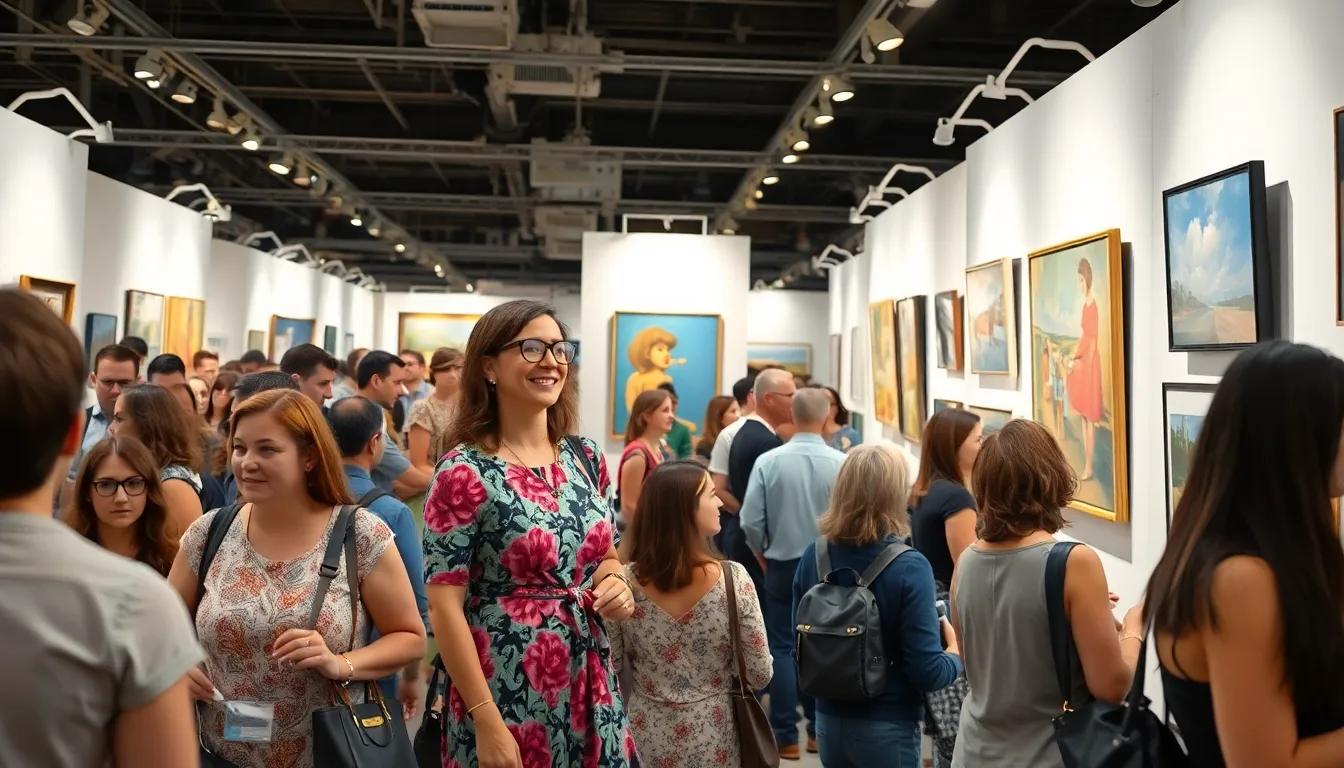
Art fairs have become vital hubs for creativity and commerce, drawing artists, collectors, and enthusiasts from around the globe. These vibrant events showcase a diverse range of artworks, from contemporary pieces to timeless classics, making them essential for anyone passionate about the art world.
As the demand for unique art experiences grows, art fairs offer a dynamic platform for emerging talents and established artists alike. They create opportunities for networking, discovering new trends, and purchasing exclusive works. Whether it’s the excitement of bidding on a coveted piece or the thrill of exploring innovative installations, art fairs captivate and inspire all who attend.
Overview of Art Fairs
Art fairs represent pivotal events in the art world, featuring a curated selection of artworks from numerous artists and galleries. These gatherings span genres, including contemporary, modern, and classic art forms. Each fair showcases a wide variety of pieces, catering to diverse tastes among collectors and enthusiasts alike.
Art fairs often take place in major cities, attracting thousands of visitors. They provide exposure for both emerging and established artists by creating opportunities for sales and collaborations. Collectors benefit from direct access to fresh talent and established names, allowing them to expand their collections with unique acquisitions.
Networking stands as a key component of art fairs. Artists, collectors, curators, and critics convene, fostering relationships that can lead to future projects. Attendees can partake in discussions, panels, and workshops, enhancing their understanding of current trends and market dynamics.
Additionally, art fairs generate considerable media attention, amplifying visibility for artists and galleries. Publications and online platforms cover highlights, further cultivating interest in featured artworks. Engaging presentations and immersive experiences usually characterize these events, making them memorable for all attendees.
Overall, art fairs serve as a vital nexus of creativity, commerce, and community in the art market.
Types of Art Fairs
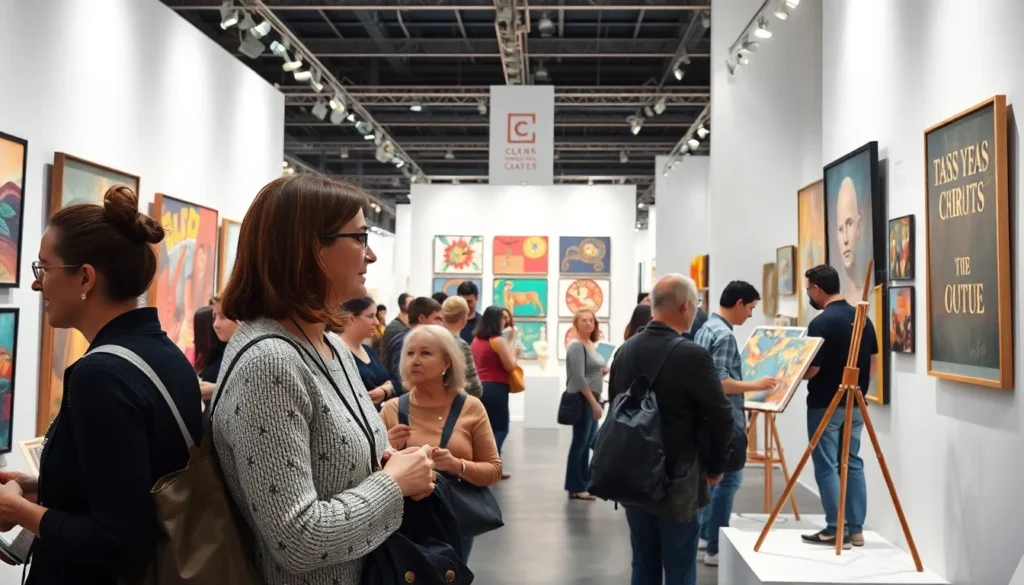
Art fairs come in various formats, each catering to specific audiences and art forms. The two prominent categories include contemporary art fairs and regional art fairs.
Contemporary Art Fairs
Contemporary art fairs focus on artworks created in the late 20th century and beyond. Featuring diverse media such as painting, sculpture, photography, and digital art, these fairs often showcase cutting-edge trends and innovative practices. Major events like Art Basel and Frieze London highlight leading galleries and emerging talents, making them hotspots for collectors and curators seeking fresh perspectives. Attendees encounter dynamic exhibitions that often prompt discussions around current societal themes and artistic movements, enhancing their appreciation for contemporary creativity.
Regional Art Fairs
Regional art fairs spotlight local and regional artists, reflecting the culture and artistic nuances of specific areas. These fairs, such as the Dallas Art Fair and the Art Toronto Fair, celebrate community creativity and provide a platform for artists to connect with local collectors and art lovers. Often more intimate in scale, regional fairs foster a sense of belonging and pride in regional talent. They encourage participation from schools, colleges, and local organizations, creating collaborative events that emphasize community engagement. Visitors discover unique artworks that resonate with the local zeitgeist while supporting artists and galleries in their area.
Benefits of Attending Art Fairs
Attending art fairs offers numerous advantages that enhance the experience for both artists and collectors. These events create unique opportunities for connection, learning, and discovery within the art world.
Networking Opportunities
Networking opportunities abound at art fairs, providing platforms for artists, collectors, curators, and industry professionals to connect. Artists can establish relationships with potential buyers and collaborators, while collectors gain access to a network of fellow enthusiasts and industry insiders. Engaging with peers fosters discussions about trends, techniques, and the market, leading to fruitful partnerships. The chance to meet gallery owners and curators often translates to increased visibility for emerging talents and the potential for representation.
Exposure to New Artists
Exposure to new artists occurs prominently at art fairs, showcasing both established and emerging talent. Visitors encounter diverse works and innovative practices that may not be visible in traditional galleries. Discovering fresh perspectives and unique styles engages collectors seeking investment opportunities and art enthusiasts eager to explore new avenues. Many attendees identify trends and movements that shape the contemporary art landscape. This dynamic environment fosters a deeper appreciation of art, enriching the overall experience for all involved.
Challenges Facing Art Fairs
Art fairs encounter significant challenges that impact their operations and overall success. To navigate this evolving landscape, organizers must address various economic factors and digital competition.
Economic Factors
Economic fluctuations significantly influence attendance and sales at art fairs. Recessions can lead to decreased spending among collectors. High rental costs for exhibition spaces create financial pressure on organizers and galleries. Economic uncertainty often results in cautious investment in art, discouraging collectors from purchasing new works. Additionally, rising costs of participation, including shipping and insurance, may deter galleries from showcasing their artists, resulting in fewer exhibitors. This combination of factors can reduce the diversity of artworks available, affecting the overall appeal of the event.
Digital Competition
Digital platforms pose a growing competition to traditional art fairs. Online galleries and auction sites provide collectors with convenient access to a wide range of artworks, often at lower costs. The rise of virtual art fairs has gained traction, allowing artists to showcase their work to a global audience without the logistical constraints of physical events. This digital shift presents challenges for traditional art fairs to maintain attendance and sales. To remain relevant, art fairs must enhance their unique offerings, such as immersive experiences and personal interactions, that cannot be replicated in a digital format. Maintaining exclusivity and fostering a sense of community become essential strategies to compete effectively in this changing environment.
Art fairs are more than just events; they’re vibrant hubs where creativity and commerce intersect. They offer invaluable experiences for artists and collectors alike, fostering connections that can shape the future of the art world. With the rise of digital platforms, these fairs face challenges but also have opportunities to innovate and engage audiences.
By focusing on unique offerings and immersive experiences, art fairs can continue to thrive in a competitive landscape. As they adapt and evolve, they’ll remain essential for showcasing talent and building community. The excitement and inspiration found at these gatherings will keep drawing art lovers from all walks of life, ensuring that art fairs remain a cornerstone of the global art scene.