
Dinagofurova is a fascinating topic that captures the attention of many. This unique phenomenon intertwines culture, history, and natural beauty, making it a subject worth exploring. Whether it’s the captivating stories behind its origins or the stunning landscapes associated with it, dinagofurova offers a rich tapestry of experiences.
As interest in this subject grows, so does the need for a deeper understanding. From its significance in local traditions to its impact on tourism, dinagofurova stands out as a remarkable aspect of our world. Delving into its intricacies reveals not just facts but also the emotions and connections it fosters among people.
Overview Of Dinagofurova
Dinagofurova stands as a remarkable phenomenon that merges cultural heritage, historical narratives, and breathtaking natural landscapes. Its origins trace back to ancient traditions, where local communities shaped the stories woven into the fabric of this iconic cultural representation.
Dinagofurova’s significance extends beyond mere aesthetics; it embodies deep-rooted values cherished by the locals. Each festival or event related to dinagofurova reveals its powerful impact on regional identity and collective memory. The intertwining of local folklore and communal practices enhances its allure, captivating visitors and fostering emotional connections.
Tourism surrounding dinagofurova is on the rise, driven by an increased desire for authentic cultural experiences. Visitors engage with local traditions, partake in celebrations, and explore the distinctive landscapes associated with dinagofurova. The growing interest emphasizes its role as an important cultural asset, contributing to the area’s economic development while preserving its rich heritage.
Chemical Structure
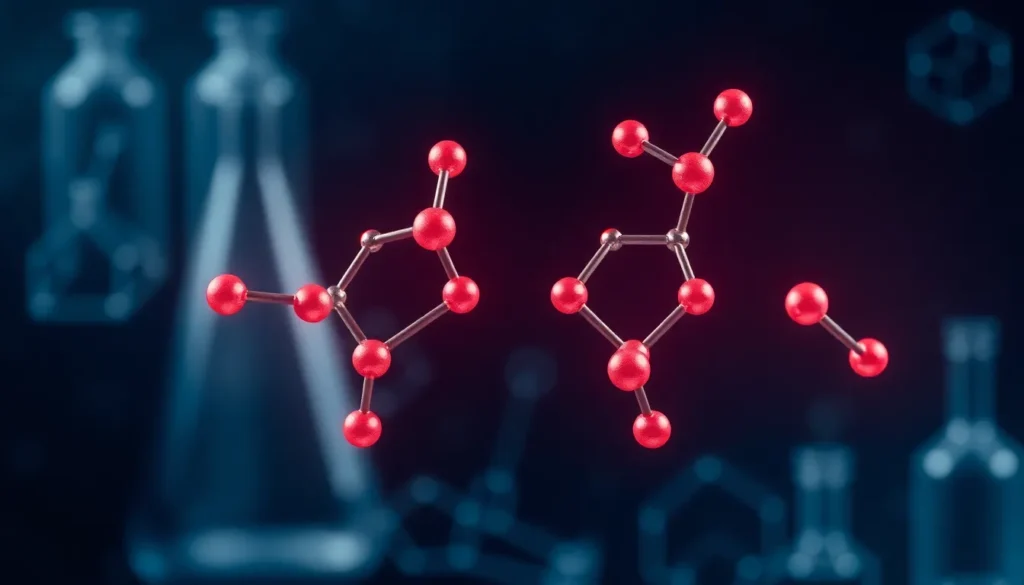
The chemical structure of dinagofurova showcases its unique molecular and structural characteristics. Understanding these elements reveals the complexity and significance of this phenomenon.
Molecular Composition
Dinagofurova consists of a variety of organic compounds, primarily featuring carbon (C), hydrogen (H), and oxygen (O) atoms. The molecular formula typically embodies a rich diversity, with components such as phenolic compounds, flavonoids, and tannins contributing to its overall composition. Each compound serves distinct roles, influencing the properties and interactions of dinagofurova in its natural environment.
Structural Characteristics
Dinagofurova exhibits several notable structural characteristics. Its structure often includes intricate ring formations, which contribute to stability and reactivity. Additionally, hydrogen bonding plays a crucial role in maintaining the integrity of the molecular structure, enhancing its interactions with various biological systems. These structural features are fundamental in understanding the ecological and cultural importance of dinagofurova as they directly impact its performance in traditional practices and local ecosystems.
Mechanism Of Action
Dinagofurova operates through complex interactions with biological targets, influencing various physiological processes. Its unique chemical structure allows it to engage effectively with different molecular pathways.
Interaction With Biological Targets
Dinagofurova interacts with specific proteins and enzymes related to cellular functions. These interactions can modulate pathways involved in inflammation, oxidative stress, and metabolic processes. For example, the phenolic compounds in dinagofurova may inhibit specific enzymes, reducing inflammatory responses in tissues. Additionally, flavonoids present in dinagofurova can act as antioxidants, scavenging free radicals and protecting cells from oxidative damage.
Therapeutic Effects
Dinagofurova exhibits a range of therapeutic effects attributed to its molecular interactions. Research indicates that it may possess anti-inflammatory properties, reducing symptoms associated with chronic inflammatory diseases. Studies highlight its potential role in supporting cardiovascular health by enhancing vascular function through improved nitric oxide production. Furthermore, its antioxidant capacity supports overall cellular health, contributing to aging resilience and lowering disease risk. These therapeutic effects emphasize dinagofurova’s significance in conventional and alternative medicinal practices.
Clinical Applications
Dinagofurova’s clinical applications span several areas, particularly in health and medicine. Current research focuses on its therapeutic properties and potential benefits for various health conditions.
Current Research Studies
Research studies investigate dinagofurova’s anti-inflammatory and antioxidant properties. Clinical trials evaluate its efficacy in managing chronic diseases such as cardiovascular conditions and metabolic disorders. For instance, studies reveal that dinagofurova may reduce markers of inflammation in participants with rheumatoid arthritis. Data also suggest positive effects on lipid profiles and blood pressure, indicating its potential in cardiovascular health management. Researchers continue to explore its impact on cellular health, assessing how it affects cellular repair mechanisms and overall well-being.
Potential Future Uses
Future uses of dinagofurova could include its integration into dietary supplements and functional foods. Exploring its capabilities in promoting gut health remains a crucial area of interest, with preliminary findings suggesting benefits for digestive disorders. The possibility of using dinagofurova in skincare products also presents opportunities, given its antioxidant effects that may combat skin aging. Additionally, ongoing research may unveil new pharmacological applications, enhancing its role in therapeutic settings and further solidifying its significance in both conventional and alternative medicine.
Safety And Side Effects
Dinagofurova exhibits various properties that could lead to potential safety concerns and side effects. Understanding these aspects is crucial for individuals considering its use.
Common Adverse Reactions
Common adverse reactions associated with dinagofurova may include gastrointestinal disturbances such as nausea, diarrhea, and abdominal discomfort. Allergic reactions can manifest in symptoms like skin rashes, itching, or swelling. In some cases, individuals may experience headaches or dizziness. Monitoring any unusual symptoms following consumption is advisable, especially for those new to dinagofurova.
Risk Factors
Risk factors for adverse effects involve pre-existing health conditions and concurrent medications. Individuals with known allergies to components in dinagofurova or those with sensitive digestive systems should exercise caution. Pregnant or breastfeeding individuals should avoid it unless under medical supervision. Additionally, interactions between dinagofurova and anticoagulant medications may elevate bleeding risk, necessitating professional consultation before use.
Dinagofurova stands as a remarkable testament to the intertwining of culture and nature. Its rich history and unique chemical properties not only enhance its significance in local traditions but also position it as a valuable asset in modern health practices. As interest in dinagofurova continues to rise, it becomes increasingly important to appreciate its cultural roots while exploring its potential benefits. The ongoing research into its therapeutic applications promises to unlock even more of its mysteries, ensuring that dinagofurova remains a focal point in both cultural and medicinal landscapes. Embracing this phenomenon offers a deeper connection to the heritage and health benefits it embodies.