The global art market is a vibrant and ever-evolving landscape that reflects cultural trends, economic shifts, and the passions of collectors worldwide. With art sales reaching unprecedented heights, it’s become a significant player in the global economy. From contemporary pieces to classic masterpieces, the demand for art has surged, drawing in investors and enthusiasts alike.
As technology advances, the way people buy and sell art is transforming. Online platforms and virtual auctions are making art more accessible than ever, breaking down geographical barriers. This dynamic environment not only influences pricing but also shapes the tastes and preferences of collectors, making the global art market an intriguing subject of exploration.
Overview Of The Global Art Market
The global art market experiences continuous evolution, marked by rising sales and an expanding demographic of collectors. Art sales reached approximately $65 billion in 2022, showcasing the market’s resilience amid economic fluctuations. Increased interest in diverse art forms, including contemporary pieces and classic masterpieces, drives demand.
Online platforms revolutionize accessibility, enabling artists and collectors to engage across geographic locations. Virtual auctions gained prominence, with sales increasing by over 50% from 2020 to 2021, reflecting a shift in buyer preferences toward digital experiences. Additionally, emerging markets in Asia and Africa contribute significantly to growth, attracting investors seeking unique opportunities.
Investors recognize art not just as aesthetic but as an asset class. The appreciation of art as an investment vehicle has grown, evidenced by rising prices for top-tier artists. Major auction houses report soaring bids for works, with pieces by renowned artists like Banksy and Picasso commanding record-setting figures.
Technological advancements shape market trends. Blockchain technology provides legitimacy and transparency, enhancing the provenance of artworks. NFTs emerged as a disruptive force, creating new avenues for both digital artists and traditional collectors alike. As the global art market evolves, it continues to adapt, fostering a vibrant ecosystem for art enthusiasts and investors.
Current Trends In The Global Art Market
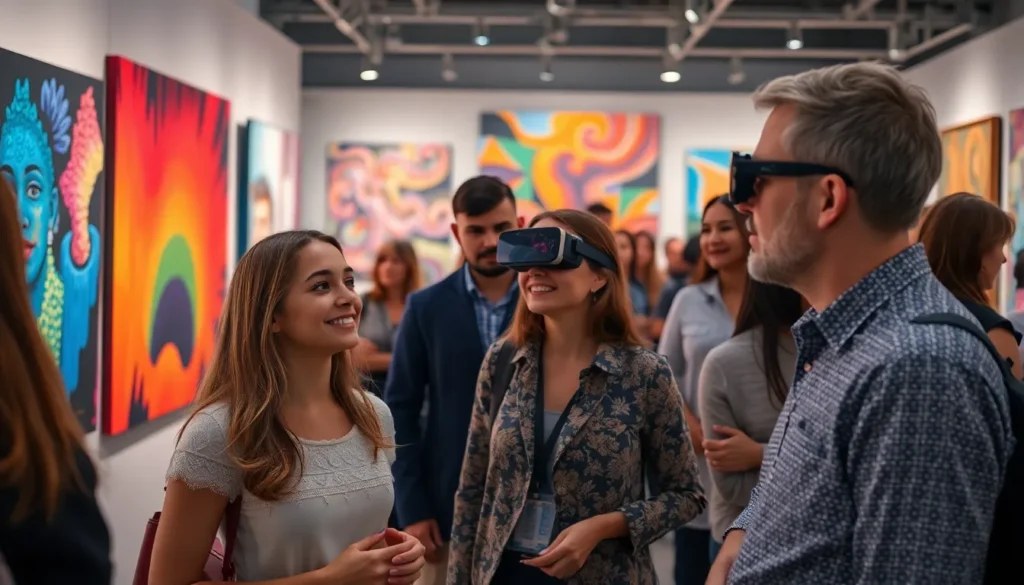
The global art market is currently experiencing significant transformations driven by digital advancements and shifts in collector demographics. These trends shape how art is bought, sold, and appreciated worldwide.
Digital Transformation And Online Sales
Digital platforms dominate the art market, having facilitated record-breaking online sales exceeding $12 billion in 2021. These platforms enhance accessibility for diverse buyers, allowing collectors to explore a broader range of artworks without geographical constraints. Interactive experiences and virtual exhibitions have emerged, enabling collectors to engage with artists and galleries through immersive technologies. Approximately 70% of collectors reported a preference for online purchases due to convenience and variety. Blockchain technology and NFTs (non-fungible tokens) further revolutionize the market by ensuring provenance and ownership of digital art, appealing to a tech-savvy collector base.
Emerging Markets And Collector Demographics
Emerging markets in Asia and Africa significantly contribute to the growth of the global art market. As disposable incomes rise, these regions attract both domestic and international collectors, blur the lines between traditional and contemporary art spheres. In 2022, art sales in Asia reached $23 billion, reflecting a 30% increase compared to the previous year. Younger collectors, born in the digital age, prioritize unique and culturally significant artworks, fostering a shift toward inclusivity and diversity. This demographic shift encourages auction houses and galleries to cater their offerings to meet the evolving tastes and interests of this new generation of art enthusiasts.
Major Players In The Global Art Market
The global art market comprises various key players, each contributing to its dynamic landscape. Major contributors include auction houses, galleries, dealers, artists, and collectors.
Auction Houses
Auction houses play a crucial role in shaping the art market. Major players like Sotheby’s, Christie’s, and Phillips dominate the high-end auction scene. In 2022, global auction sales reached approximately $28 billion, driven by high-profile auctions and record-setting sales. Auction houses leverage digital innovations, enabling online bidding and expanding reach to international buyers. Their ability to curate exclusive collections and create competitive bidding environments elevates artworks’ values, attracting significant attention from investors and collectors.
Galleries And Dealers
Galleries and dealers are essential intermediaries between artists and buyers. Established galleries, including Gagosian, Pace, and Hauser & Wirth, represent emerging and renowned artists. These galleries often present exhibitions that draw attention to various art forms, fostering connections between artists and potential buyers. In 2022, gallery sales contributed nearly $20 billion to the global art market, highlighting their significance. Additionally, dealers provide personalized services and insights, guiding collectors in their purchasing decisions while enhancing art investment strategies.
Artists And Collectors
Artists and collectors are the centerpiece of the global art market. Renowned artists, from Jeff Koons to Yayoi Kusama, drive trends and inspire demand for contemporary and traditional artworks. Additionally, new artists emerge continually, contributing unique perspectives and styles. Collectors encompass a diverse group, ranging from private individuals to institutions. Approximately 50% of collectors actively invest in art, reflecting a growing interest in art as an asset class. This group significantly influences market dynamics, with their preferences shaping trends in both collecting and investing. Emerging collectors prioritize accessibility and variety, pushing for inclusivity in art representation and curation.
Challenges Facing The Global Art Market
The global art market faces several challenges that can impact transaction values and collector confidence. These challenges include issues of authenticity and economic fluctuations.
Authenticity And Forgeries
Authenticity remains a critical concern in the global art market. Art forgeries can undermine trust between buyers and sellers. The rise of sophisticated counterfeit techniques complicates verification processes. In 2022 alone, reports estimated that art forgery costs the industry over $6 billion annually. Auction houses and galleries increasingly rely on advanced technologies, such as blockchain and AI, to establish provenance and verify authenticity. These measures aim to protect buyers and maintain market integrity.
Economic Fluctuations
Economic fluctuations present significant challenges for the art market. Economic downturns can lead to reduced disposable income, affecting luxury purchases, including art. In 2022, the global economy faced inflation rates reaching up to 8%, which placed pressure on collectors’ discretionary spending. High-profile art sales can vary significantly based on market conditions. The contemporary art segment, for example, experienced a 15% decline in sales during economic uncertainties. As a result, art market participants must remain resilient and adaptable to changing financial climates.
Future Prospects For The Global Art Market
Future trends in the global art market indicate sustained growth driven by digital transformation and changing demographics. Analysts predict continued expansion with sales projected to exceed $70 billion by 2025. The adaptation of traditional galleries and auction houses to online platforms is pivotal. They increasingly utilize virtual experiences to enhance accessibility, attracting a more extensive range of collectors.
Emerging technologies like artificial intelligence and machine learning play critical roles in shaping the market. These technologies improve art valuation methods and streamline the buying process. As more auction houses integrate AI for pricing predictions, buyers and sellers benefit from enhanced transparency and confidence.
Millennial and Gen Z collectors are instrumental in redefining market dynamics. This younger demographic emphasizes sustainability and supports artists who advocate for social change. Increased spending from this group reflects their unique preferences—approximately 60% of these collectors prioritize experiential purchases, such as art events and engagement with artists.
The rise of NFTs continues its influence on art sales. Predictions indicate that NFT-related art transactions may reach $20 billion by 2025. This segment enhances market liquidity and encourages innovative artistic expression, attracting a diverse audience.
Global economic stability impacts the art market’s trajectory. Experts suggest that robust economic recovery post-pandemic will bolster confidence in luxury goods, including art. Continuous engagement with both established and emerging markets will drive this growth. The Asian art market, in particular, is expected to gain further prominence, with Chinese auction houses leading the charge.
Additionally, ongoing challenges related to authenticity and valuation persist. Market leaders invest in enhanced certification processes and educational initiatives to foster trust. These efforts are crucial as collectors seek assurance in their investments.
Future prospects show a vibrant, evolving global art market adapting to changing tastes and technological advancements. These transformations position the market for resilience and growth in the coming years.
The global art market is on a promising trajectory marked by innovation and demographic shifts. As technology continues to reshape how art is bought and sold, both online and offline platforms are becoming essential for collectors. The rise of younger buyers emphasizes a desire for unique and meaningful art, pushing the market toward greater inclusivity.
Challenges remain, particularly regarding authenticity and economic fluctuations, but the industry’s adaptability bodes well for future growth. With projections suggesting sales may exceed $70 billion by 2025, the art market is poised for a vibrant evolution. Continuous engagement with emerging markets and a focus on sustainability will further enhance its resilience in the years to come.